
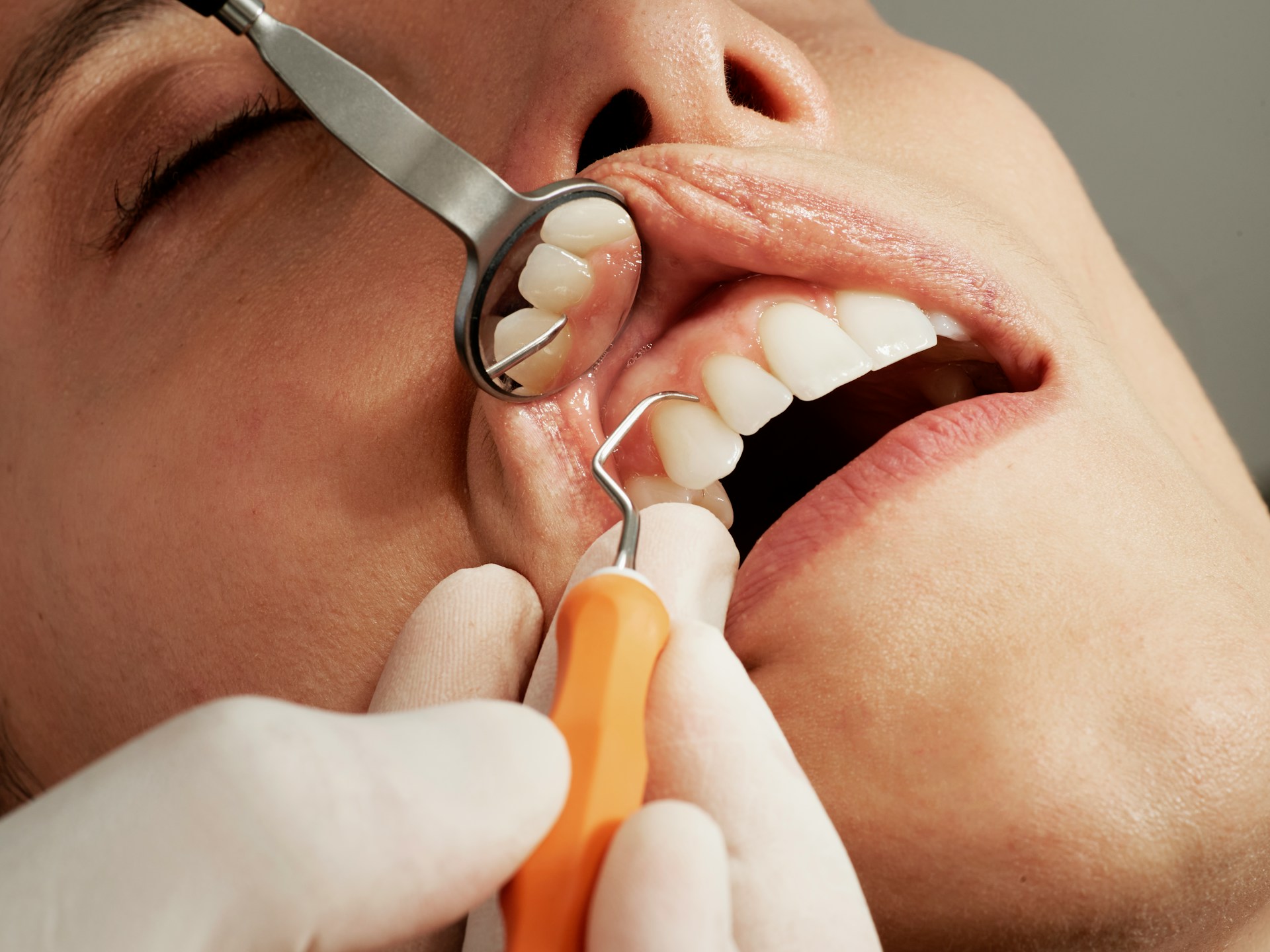
You get a filling and walk out of the appointment relieved that the problem has been sorted. The tooth feels fine, you can chew again, and life carries on. But at some point, a quiet question usually pops up in the back of your mind. How long do tooth fillings actually last?
The honest answer is that the lifespan of dental fillings varies between individuals. There is no universal timeline. Composite resin filling longevity, ceramic filling durability, bite pressure, oral hygiene habits, and even grinding patterns all play a role. Fillings are designed to restore strength and function to a tooth, but like any dental restoration, they experience daily wear and tear.
Understanding what affects dental restoration longevity helps you make informed decisions and recognise when a dental check up for fillings is due.
What Determines the Lifespan of a Dental Filling?
When discussing how long composite fillings last or how long ceramic fillings last, several factors come into play. Tooth filling durability is influenced by more than just the material itself.
Key factors that influence how long a filling lasts include:
- Type of restorative material used
- Size of the filling
- Location of the tooth
- Bite pressure and grinding habits
- Oral hygiene routine
- Diet and sugar exposure
- Regular dental maintenance
Composite resin restorations bond directly to enamel and dentine through adhesive bonding technique. Ceramic fillings, often referred to as porcelain fillings, are laboratory fabricated and bonded into place as indirect ceramic restorations. Each material has different wear characteristics and responds differently to occlusal wear and bite pressure impact.
Larger restorations may experience greater stress. Teeth at the back of the mouth endure higher chewing forces. Bruxism and fillings are closely linked, as grinding can increase the risk of fractured filling or marginal breakdown over time.
How Long Do Composite Resin Fillings Usually Last?
Composite resin fillings, also known as tooth coloured filling lifespan restorations, are widely used in restorative dentistry maintenance. They are designed to blend with natural enamel and provide functional support.
Composite resin restoration longevity depends on:
- Polymerisation shrinkage during placement
- Filling material strength
- Enamel support around the restoration
- Microleakage at the margins over time
- Ongoing oral hygiene maintenance
While many composite resin fillings can last for years, they are not designed to last indefinitely. Wear patterns differ depending on habits and oral health. Filling wear and tear is normal, particularly in areas exposed to strong chewing forces.
Regular examination allows early identification of restoration integrity concerns.
Are Ceramic and Porcelain Fillings More Durable?
Ceramic filling durability is often associated with strength and stain resistance. Porcelain filling lifespan may be longer in certain situations, particularly for larger restorations where structural reinforcement is needed.
Ceramic restorations are fabricated outside the mouth and bonded in place. This indirect approach can provide additional support for weakened tooth structure.
Below is a comparison of common filling materials.
| Material | Typical Characteristics | Considerations |
|---|---|---|
| Composite Resin | Tooth coloured, bonded directly to tooth | May wear over time depending on bite pressure |
| Ceramic or Porcelain | Durable, stain resistant, laboratory fabricated | Often used for larger restorations |
| Glass Ionomer | Releases fluoride, often used in specific cases | May have lower wear resistance |
Suitability depends on individual clinical assessment. No material guarantees a lifetime outcome.
What Causes a Filling to Fail Over Time?
Filling failure signs may develop gradually. Marginal breakdown, microleakage, and recurrent caries are common reasons for replacement. Secondary decay under fillings can occur when bacteria enter microscopic gaps at the edges of a restoration.
Factors that affect filling lifespan include:
| Factor | Impact on Longevity | Management Strategy |
|---|---|---|
| Bite pressure | Increased occlusal wear | Monitoring and bite assessment |
| Bruxism | Risk of fracture or marginal breakdown | Review and protective advice if required |
| Oral hygiene | Risk of recurrent caries | Consistent brushing and flossing |
| Filling size | Larger restorations under more stress | Regular examination |
| Diet | Acid and sugar exposure | Preventive guidance |
Interproximal decay can develop between teeth if flossing is inconsistent. X ray detection of decay during routine dental examination findings helps identify issues before symptoms appear.
What Are the Signs a Filling Needs Replacement?
Knowing when to replace a filling is important for maintaining tooth structure. Signs a filling may need replacement include:
- Visible cracks or chips
- Sensitivity to hot or cold
- Rough or uneven edges
- Food trapping around the filling
- Gum inflammation near the restored tooth
- Discolouration at the margins
- Pain when biting
A cracked tooth restoration or fractured filling does not always cause immediate discomfort. That is why regular dental review is essential. Filling replacement procedure decisions are made after assessing restoration integrity, surrounding enamel support, and risk of recurrent caries.
Can a Filling Last a Lifetime?
The idea that a dental filling might last forever is appealing, but unrealistic. Dental bonding material, like natural enamel, is subject to mechanical forces every day. Bite pressure impact, chewing habits, and ageing all contribute to restorative material lifespan.
Preventive dental care significantly influences outcomes. How to support filling longevity includes:
- Brushing twice daily with fluoride toothpaste
- Flossing daily to reduce interproximal decay risk
- Attending regular scale and clean appointments
- Avoiding using teeth to open packaging
- Seeking professional advice if discomfort occurs
Individual outcomes vary. Replacement may be required if structural integrity declines or if secondary decay is detected.
Why Does Regular Review Matter for Restorative Dentistry Maintenance?
Restorative dentistry maintenance is not just about fixing problems. It is about preserving what has already been restored. During a dental check up for fillings, clinicians assess:
- Marginal breakdown
- Occlusal wear
- Signs of microleakage
- Changes in bite alignment
- Evidence of secondary decay under fillings
X ray detection of decay can reveal changes beneath the surface that are not visible to the naked eye. Early detection reduces the likelihood of more extensive treatment.
Why Choose Dental Corner for Ongoing Filling Care?
When it comes to dental restoration longevity, consistent monitoring and careful clinical judgement make all the difference. At Dental Corner, restorative material lifespan is approached with long term preservation in mind. Each composite resin restoration, ceramic filling, or porcelain restoration is assessed not only at placement, but during routine reviews to ensure continued integrity.
Rather than waiting for a fractured filling or visible marginal breakdown, the team focuses on preventive assessment, early identification of microleakage, and tailored advice based on bite pressure and oral hygiene patterns. Dental Corner prioritises restoration integrity and patient education so that every filling replacement timeline decision is informed and appropriate. This proactive approach supports durability while respecting that no material lasts indefinitely.
References
- Australian Dental Association
https://www.ada.org.au/Dental-Health-Week - Healthdirect Australia Oral Health
https://www.healthdirect.gov.au/oral-health - Australian Institute of Health and Welfare Oral Health Information
https://www.aihw.gov.au/reports/dental-oral-health/oral-health-and-dental-care-in-australia
These resources reinforce the importance of routine check ups, professional cleaning, and early detection in maintaining oral health and supporting the longevity of dental restorations.
If you are experiencing any issues with your existing fillings, visit Dental Corner Wollongong for a dental check-up and assessment.
Frequently Asked Questions
How long do composite fillings usually last?
Composite fillings can last for many years, but lifespan varies depending on bite pressure, oral hygiene, and restoration size. Regular review helps monitor wear.
Can a filling last a lifetime?
No filling material is designed to last indefinitely. Replacement may be required if wear, fracture, or secondary decay develops.
What causes a filling to fail?
Common causes include marginal breakdown, microleakage, recurrent caries, bruxism, and excessive bite pressure.
How do I know if my filling needs replacing?
Signs include sensitivity, visible cracks, rough edges, or discomfort when biting. A professional examination confirms whether replacement is necessary.
Does grinding affect fillings?
Yes. Bruxism increases occlusal wear and can contribute to fractured filling or restoration damage.
Are ceramic fillings more durable than composite?
Ceramic fillings may offer strength advantages in certain cases, particularly for larger restorations, but suitability depends on individual assessment.
Disclaimer
All dental procedures involve potential risks and benefits. The information provided in this blog is general in nature and should not be taken as medical advice. We recommend that you seek guidance from a suitably qualified health professional before making decisions about your oral health. Where appropriate, you may also wish to consider obtaining a second opinion.
Any images or videos featured are shared with the informed consent of our patients and are intended for educational purposes only. They are not a guarantee of results, as every patient is unique. Treatment outcomes — including recovery, potential complications, and effectiveness — can vary from person to person.


