
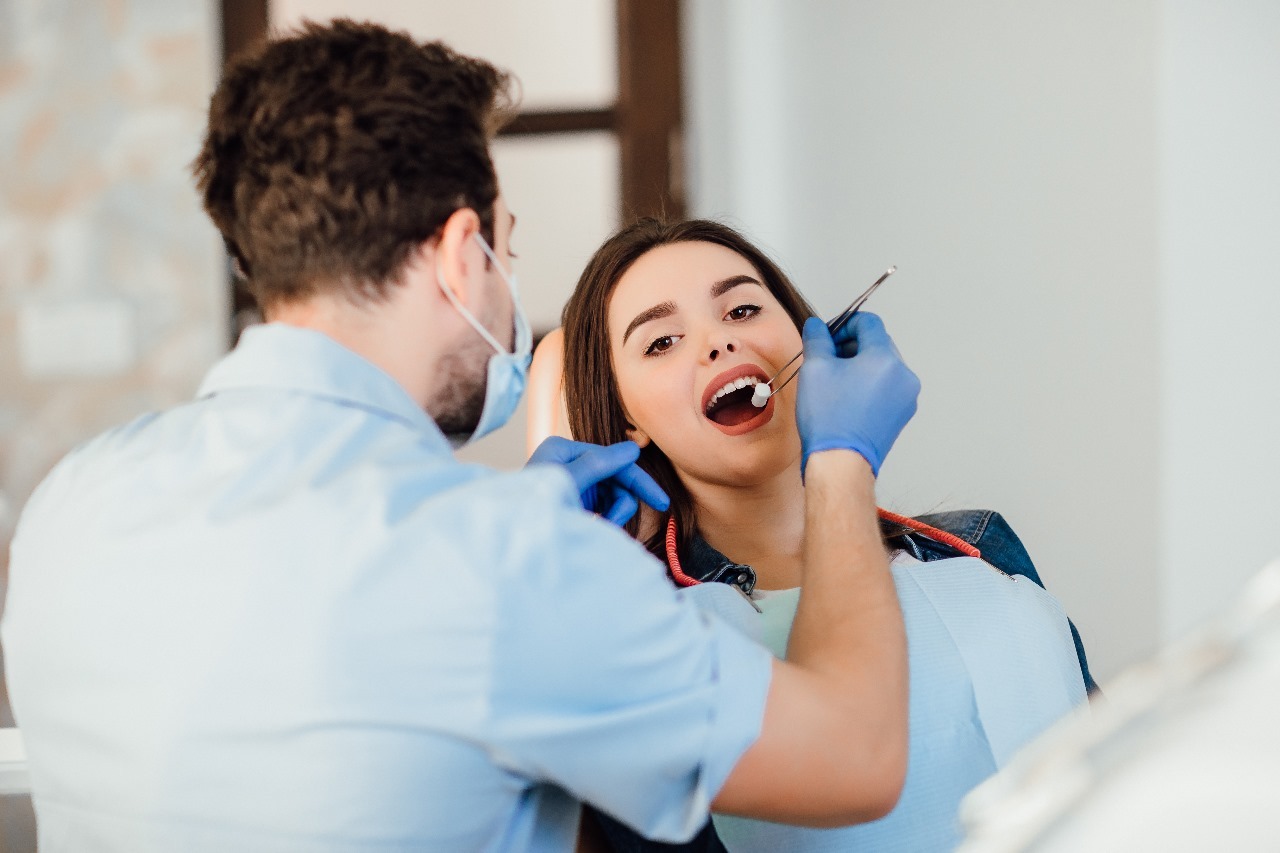
Regular dental check-ups play a pivotal role in maintaining not just oral health but also your overall well-being. Beyond the aesthetics of a clean and healthy smile, these appointments are crucial for preventing and addressing potential issues before they become severe. In this article, we delve into why visiting a Wollongong dentist every six months is essential for your long-term health, supported by research and actionable insights.
What Are the Benefits of Regular Dental Check-Ups?
Early Detection of Dental Issues
One of the primary advantages of routine dental check-ups is the early detection of dental problems. Wollongong dentists use advanced diagnostic tools, such as dental X-rays and thorough examinations, to identify cavities, gum disease, or other issues in their initial stages. This can save you significant time, discomfort, and expense in the long run.
Prevention of Gum Disease and Tooth Decay
Preventative dentistry is at the heart of every check-up. Professional cleaning by your Dentist Wollongong removes plaque and tartar, which regular brushing and flossing may miss. This is critical in preventing gum disease, a condition linked to serious systemic issues like diabetes and cardiovascular disease.
Improved Oral Hygiene
Regular check-ups include professional cleaning that not only brightens your smile but also enhances your oral hygiene. By removing built-up tartar and polishing your teeth, dentists in Wollongong ensure your teeth remain healthy and vibrant.
What Is the Process of a Routine Dental Check-Up?
Comprehensive Oral Examination
The first step during a dental visit is a comprehensive oral examination. This involves checking your teeth, gums, and mouth for signs of decay, gum disease, or abnormalities.
Professional Cleaning and Scaling
A routine cleaning session involves scaling to remove hardened tartar and plaque. Your dentist may also polish your teeth to remove surface stains and enhance their appearance.
Oral Cancer Screening
Early detection of oral cancer can be life-saving. Wollongong dentists often conduct this screening as part of a check-up, identifying any abnormalities that require further investigation.
Personalised Dental Advice
Dentists provide tailored advice to help maintain oral hygiene based on your specific needs. Whether it’s recommending a particular toothbrush or guiding you on diet-related oral health tips, their insights are invaluable.
Why Is Visiting a Dentist Better Than Self-Medication or Ignoring Issues?
Ignoring dental issues or relying on self-medication can lead to worsening conditions. Cavities, for instance, left untreated, can lead to root canal infections or even tooth loss. Regular dental visits ensure professional intervention, avoiding the need for extensive treatments.
Table: Comparison of Routine Check-Ups vs Emergency Visits
| Aspect | Routine Check-Up | Emergency Visit |
| Purpose | Preventive care | Immediate treatment of urgent issues |
| Cost | Lower | Higher |
| Frequency | Every 6 months | As needed |
| Focus | Long-term oral health maintenance | Addressing pain, infection, or trauma |
| Duration | Shorter | Longer |
| Stress Level | Low | High |
How Do Regular Check-Ups Benefit Overall Health?
Links Between Oral and Systemic Health
Oral health is intricately connected to systemic health. Gum disease, for example, has been linked to heart disease and complications in diabetes. Routine dental visits ensure early detection and management of such conditions.
Boosting Longevity
Preventative care helps maintain natural teeth and avoid serious dental issues, which can improve your quality of life and increase longevity. Retaining your natural teeth enhances your ability to eat, speak, and maintain overall wellness.
Table: Health Benefits of Regular Check-Ups
| Health Aspect | Benefit | Explanation |
| Oral Hygiene | Removal of plaque and tartar | Prevents cavities and gum disease. |
| Overall Health | Early detection of health issues | Links between oral health and heart health, diabetes, etc. |
| Appearance | Improved teeth aesthetics | Professional cleaning and polishing. |
| Longevity | Retention of natural teeth | Avoids tooth loss through preventive care. |
How Often Should You Visit a Dentist in Wollongong?
Dentists recommend visiting every six months for a routine check-up. However, the frequency may vary based on individual needs, such as pre-existing conditions like gum disease, diabetes, or a history of frequent cavities.
What Are the Warning Signs That You Need a Dental Check-Up?
Be vigilant for symptoms that signal the need for immediate dental attention:
- Tooth sensitivity or persistent pain.
- Bleeding or swollen gums.
- Persistent bad breath.
- Loose or shifting teeth.
- Mouth sores or dry mouth.
Why Choose Dental Corner for Your Check-Ups?
If you’re seeking personalised, comprehensive dental care in Wollongong, Dental Corner is your go-to destination. Our experienced team of professionals focuses on preventative dentistry and holistic oral health care. With state-of-the-art equipment and a patient-first approach, we ensure your experience is both comfortable and effective. Book an appointment with Dental Corner today and take the first step towards long-term oral and overall health.
Read More: What Dental Services Are Available in Wollongong?
References
- Australian Dental Association. “Oral Health and General Health.”
- Better Health Channel. “Oral Health Overview.”
- Dental Health Services Victoria. “Preventive Dental Care.”
FAQs
1. How often should I visit a Wollongong dentist for a check-up?
It’s recommended to visit a dentist every six months. However, those with specific conditions may need more frequent visits.
2. What are the risks of skipping dental check-ups?
Skipping check-ups increases the risk of undetected cavities, gum disease, and other oral health issues that can lead to tooth loss or systemic health problems.
3. Do check-ups include oral cancer screening?
Yes, many dental practices, including those in Wollongong, include oral cancer screenings as part of a routine check-up.
4. Are routine dental visits expensive?
Routine visits are generally affordable and cost-effective compared to emergency dental treatments or advanced procedures.
5. Can regular check-ups improve overall health?
Absolutely. By addressing oral health issues, you reduce the risk of systemic conditions like heart disease and diabetes.
6. What should I do if I experience dental anxiety?
Inform your dentist about your concerns. Many practices, including Dental Corner, provide solutions like sedation dentistry to ensure your comfort.


