
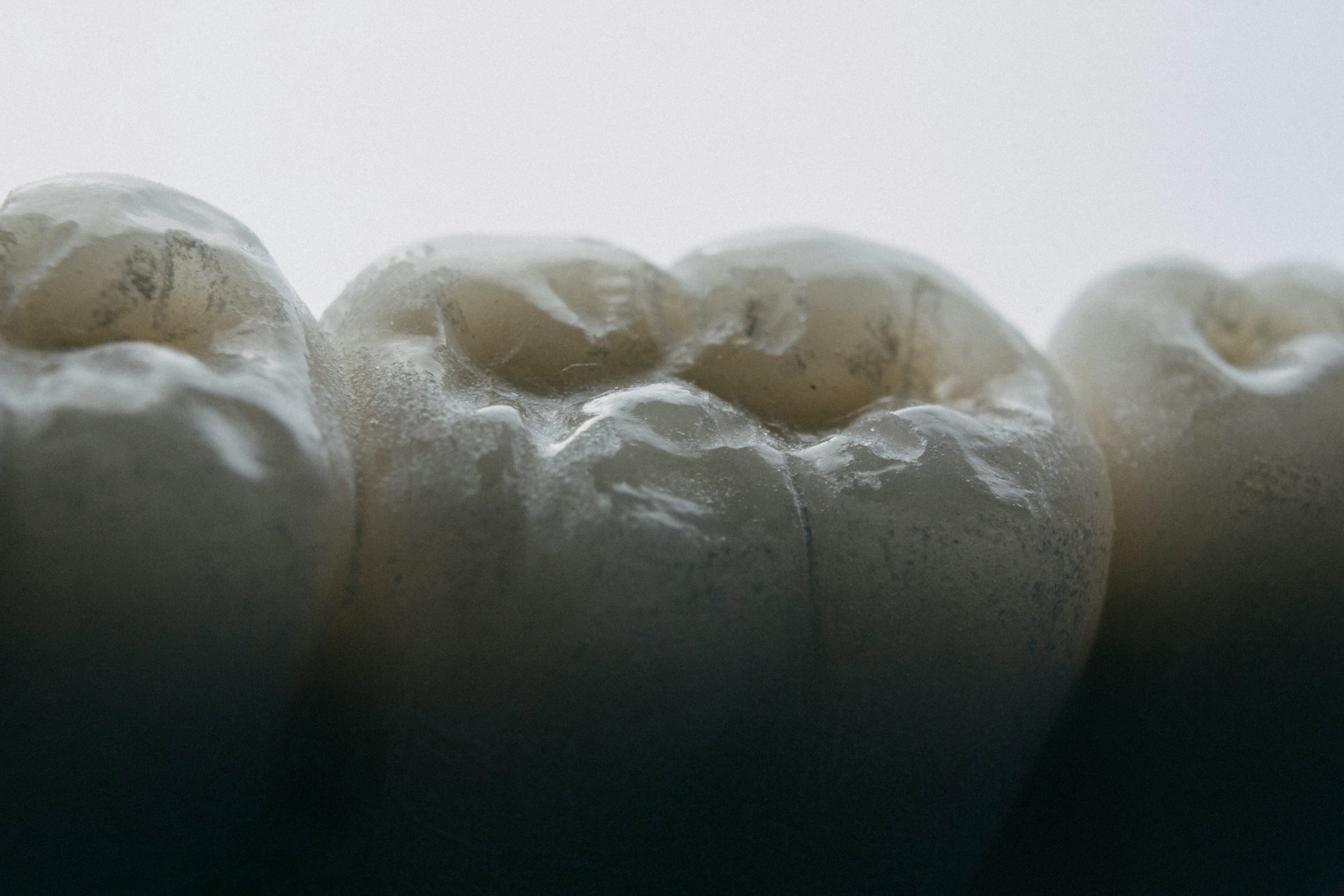
If you have ever looked in the mirror and noticed a silver flash when you open your mouth, you are not alone. Metal tooth fillings, often called silver fillings, have been used for decades. For many people, they were simply part of growing up. Then came headlines about mercury in dental fillings, and suddenly a straightforward restorative treatment became part of a much bigger conversation.
So are metal tooth fillings safe? To answer that properly, it helps to understand what dental amalgam actually is, how it behaves in the mouth, and what the current understanding is around mercury exposure from fillings. Let us break down the mercury debate in a way that makes sense.
What Is Dental Amalgam Actually Made Of?
Dental amalgam is not pure mercury. It is an alloy mixture. In simple terms, it is a combination of metals designed to create a strong restorative material.
What is dental amalgam made of?
- Elemental mercury
- Silver
- Tin
- Copper
- Small amounts of other trace metals depending on formulation
When these components are mixed, they form amalgam restoration materials that harden into a solid filling. The elemental mercury binds with the silver tin copper alloy during the setting process, creating a stable structure.
Amalgam fillings composition has been refined over time to improve corrosion resistance and strength under chewing forces.
Why Has Dental Amalgam Been Used for So Long?
There is a reason amalgam dental restoration has such a long history in restorative dentistry materials. It performs well in certain situations, especially in back teeth that handle heavy chewing.
Dental amalgam has traditionally been used because it offers:
- High resistance to occlusal load
- Good durability in posterior restorations
- Corrosion resistant properties
- Less sensitivity to moisture during placement
- A long track record in clinical practice
For many years, silver fillings were considered a reliable option for large cavities in molars. While dental filling material safety is always an important consideration, the durability of amalgam under pressure is one reason it remained common for decades.
How Does Mercury in Dental Fillings Behave in the Mouth?
The mercury debate dental fillings discussion often centres around mercury vapour release. Dental amalgam contains elemental mercury, and very small amounts of mercury vapour can be released during chewing or grinding.
Current international health guidelines and Australian Dental Association guidance indicate that the level of mercury exposure from fillings is generally low for most individuals. Regulatory oversight of dental materials in Australia is governed by the Therapeutic Goods Administration, often referred to as the TGA dental materials guidance framework.
Mercury vapour release occurs in small amounts, and dental material risk assessment takes this into account. The filling material safety discussion is not about ignoring mercury content. It is about understanding dose, exposure level, and overall biocompatibility.
Biocompatibility refers to how a material interacts with the body. For most people, amalgam restorations function without causing symptoms.
How Does Amalgam Compare With Composite Resin Alternatives?
As restorative dentistry materials evolved, composite resin alternative options became more widely used. Tooth coloured filling materials offer aesthetic advantages and use adhesive bonding techniques rather than mechanical retention.
Here is a comparison of dental amalgam vs composite.
| Feature | Dental Amalgam | Composite Resin |
|---|---|---|
| Composition | Mercury alloy with silver, tin, copper | Resin matrix with filler particles |
| Colour | Silver metallic | Tooth coloured |
| Durability | High resistance to occlusal load | Good durability, technique dependent |
| Bonding | Mechanical retention | Adhesive bonding to enamel and dentine |
| Longevity | Long track record | Variable depending on size and location |
Composite resin is often preferred for visible areas because it blends with natural enamel. Indirect ceramic restorations are another option in certain cases.
Suitability depends on clinical indication assessment, tooth position, and individual preference.
What Are the Key Points in the Mercury Debate?
The mercury debate explained clearly comes down to several core topics.
| Topic | Current Understanding | Clinical Context |
|---|---|---|
| Mercury Vapour | Released in small amounts during chewing | Considered low exposure in most individuals |
| Regulatory Oversight | Governed by health authorities | Use guided by professional standards |
| Removal | Not routinely recommended without reason | Considered if restoration failing |
| Environmental Impact | Managed via amalgam separator systems | Clinics follow disposal regulations |
Environmental mercury management is also part of the conversation. Modern dental clinics use amalgam separator systems to prevent mercury waste from entering water systems.
International health guidelines continue to review amalgam use. In some jurisdictions, it is not typically recommended for certain populations, such as pregnant individuals, unless clinically necessary. Dental amalgam regulation reflects ongoing monitoring rather than sudden alarm.
Should You Replace Old Silver Fillings?
One of the most common metal fillings health concerns is whether existing amalgam fillings should be removed. Removal protocol safety considerations are important here.
Amalgam removal considerations usually include:
- Fractured or failing restoration
- Secondary decay
- Marginal breakdown
- Structural compromise
- Patient informed consent discussion
If a silver filling is functioning well, intact, and not causing issues, replacement is not routinely recommended purely due to mercury concerns. Any filling replacement considerations should be based on clinical need rather than fear.
It is also important to remember that no filling material lasts indefinitely. Amalgam, composite resin, and indirect ceramic restorations can all require replacement over time.
How Are Metal Fillings Regulated in Australia?
In Australia, dental materials are regulated under national health frameworks. The TGA dental materials guidance ensures that restorative materials meet safety standards. The Australian Dental Association guidance also provides direction on clinical use.
These frameworks support informed decision making and professional standards. Dental material regulations are not static. They evolve as knowledge expands and international health guidelines are reviewed.
This ongoing oversight is part of why the conversation around silver fillings safety information remains measured rather than extreme.
Why Choose Dental Corner for Honest, Balanced Advice?
When it comes to questions about mercury in dental fillings, clear communication matters. At Dental Corner, discussions around amalgam restoration materials, composite resin alternative options, and indirect ceramic restorations are grounded in transparency and individual assessment.
Every patient is different. Clinical indication assessment takes into account tooth structure, occlusal load resistance, restoration longevity factors, and personal health history. Dental Corner prioritises patient informed consent, ensuring that any conversation about amalgam removal considerations or filling replacement decisions is calm, factual, and tailored to your needs.
If you have concerns about metal fillings health concerns or want clarity about your existing restorations, a personalised consultation provides reassurance based on your situation rather than generalised information.
What Do Australian Health Sources Say About Amalgam Use?
Australian health authorities acknowledge that dental amalgam has been widely used and remains regulated. For further information:
- Australian Dental Association
https://www.ada.org.au - Therapeutic Goods Administration
https://www.tga.gov.au - Department of Health and Aged Care
https://www.health.gov.au
These sources outline dental material regulations, risk assessment approaches, and environmental mercury management practices in Australia.
If you have concerns about metal fillings health concerns or want clarity about your existing restorations, visit Dental Corner Wollongong for a personalised consultation.
Frequently Asked Questions
Is mercury in amalgam fillings dangerous?
Dental amalgam contains elemental mercury bound within an alloy. Small amounts of mercury vapour may be released during chewing, but current guidance indicates exposure levels are generally low for most individuals.
Are silver fillings still used today?
Silver fillings, also known as dental amalgam, are still used in some situations, particularly in back teeth where durability under occlusal load is important.
Should I replace my metal fillings?
Replacement is usually considered if a filling is fractured, failing, or affected by secondary decay. Routine removal without clinical reason is not typically recommended.
How much mercury is in dental amalgam?
Dental amalgam contains a mixture of elemental mercury combined with silver, tin, and copper to form a stable alloy.
Are composite fillings safer than amalgam?
Both materials are regulated and used according to clinical indication. Suitability depends on tooth location, restoration size, and individual circumstances.
What do Australian authorities say about amalgam?
Australian regulatory bodies oversee dental materials and provide guidance on their use. Ongoing monitoring ensures materials meet established safety standards.
Disclaimer
All dental procedures involve potential risks and benefits. The information provided in this blog is general in nature and should not be taken as medical advice. We recommend that you seek guidance from a suitably qualified health professional before making decisions about your oral health. Where appropriate, you may also wish to consider obtaining a second opinion.
Any images or videos featured are shared with the informed consent of our patients and are intended for educational purposes only. They are not a guarantee of results, as every patient is unique. Treatment outcomes — including recovery, potential complications, and effectiveness — can vary from person to person.


