
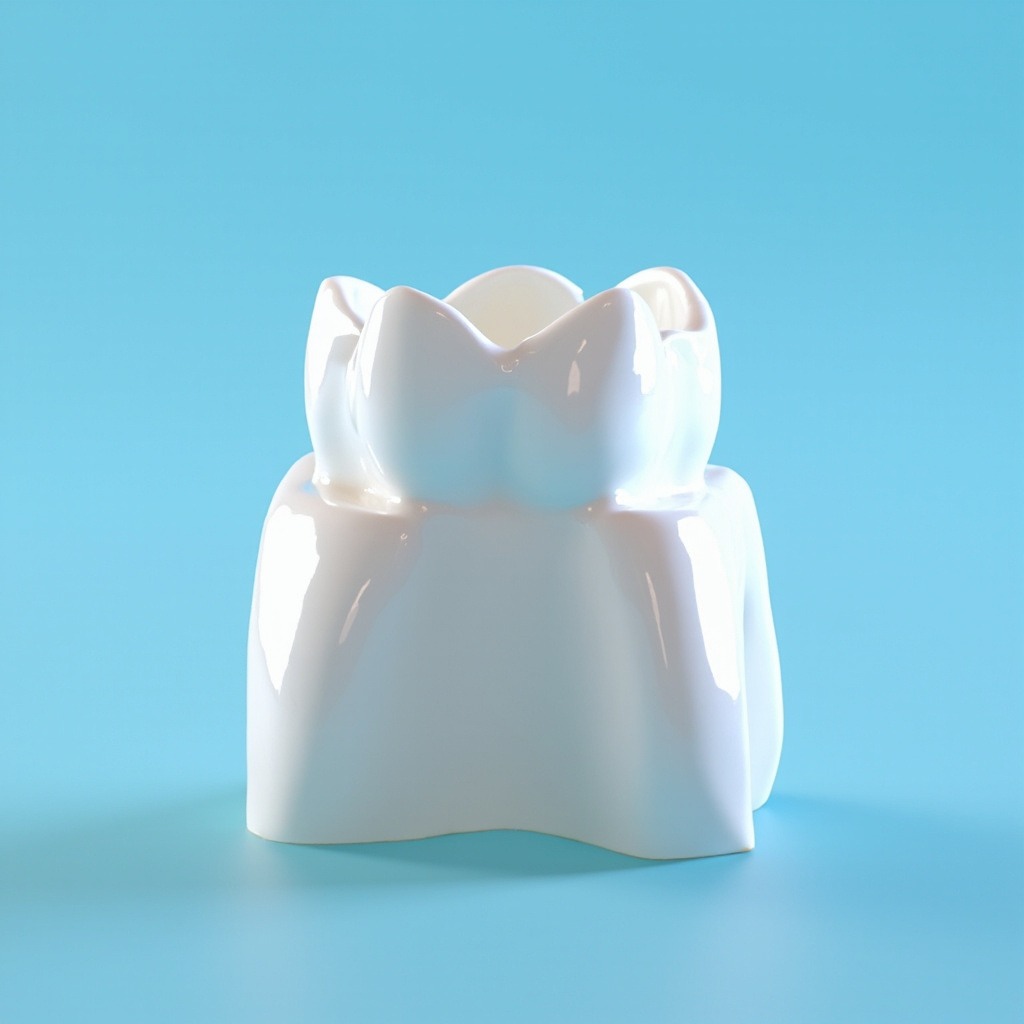
Getting a dental crown can feel like a fresh start for a damaged tooth. It restores shape, strength, and function, and often blends seamlessly with your natural teeth. However, many people assume that once a crown is placed, the hard work is done. The reality is that caring for a crowned tooth is just as important as caring for a natural one.
A dental crown does not protect you from plaque accumulation, gum inflammation, or decay at the margins. Good oral hygiene with crowns plays a crucial role in maintaining crown longevity and protecting the underlying tooth structure.
Why Does a Crowned Tooth Still Need Care?
A dental crown covers the visible part of a tooth, but it sits on top of your natural tooth structure. Where the crown meets the tooth, there is a small junction known as the crown margin. This area can become a trap for plaque if not cleaned thoroughly.
Plaque control remains essential because oral bacteria growth can still occur around and beneath the crown margin. If bacteria collect at this junction, they may contribute to decay under the crown or gum irritation.
Gum health around crowns is equally important. Swollen or bleeding gums can compromise the seal at the margin and increase the risk of complications.
What Happens If Cleaning Is Inadequate?
When cleaning around dental restorations is inconsistent, several issues may develop over time.
- Decay under the crown
- Gum inflammation
- Crown sensitivity
- Bad breath
- Crown loosening in some cases
The table below outlines common issues and preventive approaches.
| Issue | Possible Cause | Preventive Approach |
|---|---|---|
| Decay under crown | Plaque at margin | Thorough brushing and flossing |
| Gum inflammation | Inadequate cleaning | Improved gumline hygiene |
| Crown loosening | Cement wear or trauma | Early professional assessment |
| Sensitivity | Gum recession | Monitoring and advice |
Decay under a crown can be difficult to detect early because it is hidden beneath the restoration. This is why routine dental reviews are essential.
What Should Daily Crown Care Include?
Cleaning a crowned tooth is not complicated, but it does require consistency and attention to detail.
Daily crown care steps may include:
- Brush twice daily with a soft toothbrush
- Clean carefully along the gumline
- Floss daily, including around the crown margins
- Use interdental brushes if recommended
- Avoid biting hard objects such as ice
- Attend regular dental examinations
Flossing around crowns is particularly important. Slide the floss gently beneath the contact point and clean along the side of the tooth. If flossing is difficult, interdental brushes or a water flosser may assist with cleaning tight spaces.
For crowns and bridges in Wollongong, visit Dental Corner.
How Does Plaque Affect Crown Longevity?
Crown longevity depends not only on the material used but also on plaque control. Bacterial biofilm at the margins can lead to recurrent decay. Even though the crown itself cannot decay, the natural tooth underneath can.
Protecting dental restorations involves more than just brushing the crown surface. Cleaning along the margin where crown meets tooth is essential.
For more information on preventive dental care in Wollongong, contact our team.
How Long Do Dental Crowns Last?
The lifespan of a dental crown varies depending on several factors. With excellent oral hygiene and regular dental visits, crowns can last many years. However, factors such as grinding teeth, chewing hard foods, or accidents can affect crown durability.
Regular check ups allow your dentist to monitor crown condition and identify any issues early.
If you are looking for a dentist in Wollongong or need emergency dentist in Wollongong, contact Dental Corner today.
Disclaimer
All dental procedures involve potential risks and benefits. The information provided in this blog is general in nature and should not be taken as medical advice. We recommend that you seek guidance from a suitably qualified health professional before making decisions about your oral health.


