
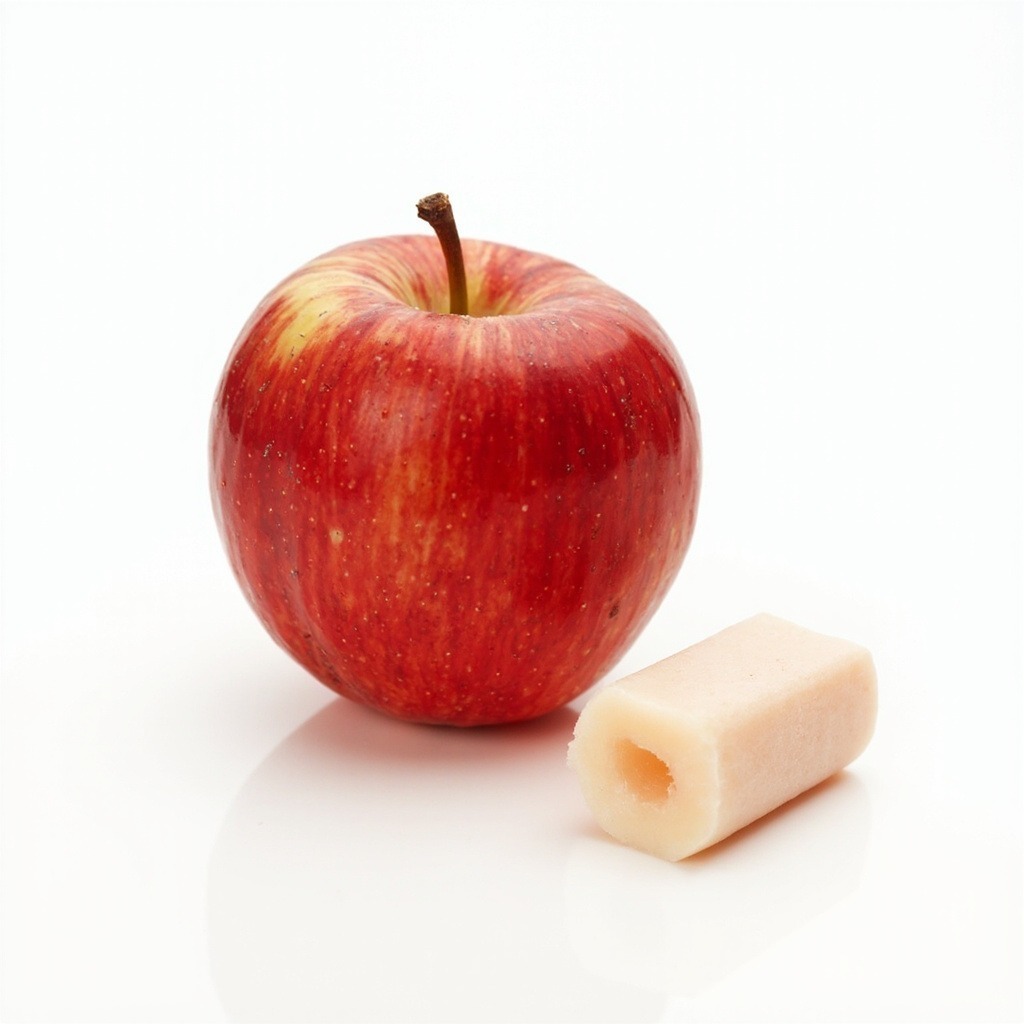
It is a common belief that biting into a crisp apple or chewing gum after a meal can clean your teeth. You may have heard that apples act as a natural toothbrush or that gum helps wash away food particles. While there is some truth behind these ideas, they are often misunderstood.
Natural teeth cleaning sounds appealing because it feels simple and convenient. However, understanding how saliva stimulation, plaque removal, and enamel protection actually work can help you separate myth from reality.
What Happens When You Eat an Apple?
Apples are fibrous fruits, and their crunchy texture can create a mild mechanical plaque disruption effect. When you chew, the fibrous structure may help dislodge loose food debris from the surface of your teeth.
Chewing also stimulates saliva production. Saliva plays a vital role in maintaining pH balance in the mouth. It helps neutralise acids produced by oral bacteria and supports enamel protection by providing minerals that assist in remineralisation.
However, apples also contain natural sugars and acids. While they are generally considered a healthy snack, their acidic nature can temporarily soften enamel. Brushing immediately after eating acidic fruit is not recommended because enamel may be more vulnerable during that period.
Does Chewing Gum Offer Similar Benefits?
Sugar free gum works in a similar way by stimulating saliva production. Increased saliva can help dilute acids and support oral bacteria neutralisation. This may reduce the risk of acid attack following meals.
Chewing sugar free gum may also provide temporary breath freshening and minor debris removal. However, it does not physically remove plaque in the same way a toothbrush or floss does.
The comparison table below highlights the differences between common cleaning methods.
| Method | Removes Plaque Effectively | Stimulates Saliva | Replaces Brushing |
|---|---|---|---|
| Toothbrush | Yes | Minimal | Primary method |
| Floss | Yes | No | Essential support |
| Apple | Limited | Yes | No |
| Sugar free gum | Minimal | Yes | No |
What Can Apples and Gum Actually Help With?
There are limited benefits associated with apples and sugar free gum. These include:
- Stimulating saliva
- Temporarily freshening breath
- Mild surface debris removal
Saliva is one of the body is natural protective mechanisms. It buffers acids and helps wash away food particles. In situations where brushing is not immediately possible, chewing sugar free gum may assist with acid neutralisation.
However, these methods cannot replace brushing and flossing. They do not disrupt bacterial biofilm thoroughly enough to prevent plaque accumulation or dental decay.
Why Is Brushing Still Essential?
Plaque is a sticky bacterial biofilm that adheres firmly to enamel. It requires mechanical disruption to be effectively removed. Tooth brushing and flossing physically break up this biofilm, reducing oral bacteria growth.
Without regular brushing, plaque thickens and may harden into tartar. This cannot be removed by apples, gum, or saliva alone.
Fluoride exposure through toothpaste also plays an important role in enamel protection. Apples and gum do not provide this benefit.
What About the Apple Cleansing Myth?
The idea that apples act as a natural toothbrush is an oversimplification. While fibrous fruits may provide minor cleansing, they do not clean between teeth or along the gumline where plaque commonly accumulates.
Acid exposure from fruit can also contribute to enamel erosion over time if oral hygiene is inconsistent. Maintaining balanced oral hygiene habits is essential to counteract acid exposure.
How Does Saliva Support Oral Health?
Saliva is often overlooked, but it is vital for maintaining oral balance. It contains enzymes and minerals that assist in neutralising acids and protecting enamel. When saliva flow is adequate, it helps control oral bacteria growth.
Chewing stimulates saliva, which can be helpful after meals. However, saliva alone cannot prevent gum inflammation or periodontal disease if plaque accumulation is not addressed through brushing and flossing.
What Is the Safest Approach to Oral Hygiene?
A balanced approach is key. Apples and sugar free gum may complement oral hygiene habits in certain situations, but they are not substitutes.
Primary oral hygiene habits should include:
- Brushing twice daily with fluoride toothpaste
- Daily flossing
- Routine dental examinations
- Limiting frequent sugar exposure
Maintaining consistent plaque control helps reduce the risk of dental decay, gum inflammation, and enamel erosion.
Where Can You Find Practical Advice?
If you are unsure whether your current routine is sufficient, professional guidance can provide clarity.
At Dental Corner, we focus on practical, realistic oral health strategies. We help patients understand how saliva, diet, and brushing techniques work together to maintain enamel protection and gum health. Our team provides tailored advice based on individual needs, ensuring that daily habits support long term oral wellbeing.
If you are looking for a dentist in Wollongong or need emergency dentist in Wollongong, contact our friendly team today.
For professional teeth cleaning in Wollongong, visit Dental Corner.
References
Australian Dental Association
Diet and oral health information
https://www.ada.org.au/Oral-Health-Topics/Diet-and-Oral-Health
Healthdirect Australia
Saliva and oral health overview
https://www.healthdirect.gov.au/dry-mouth
Australian Institute of Health and Welfare
https://www.aihw.gov.au/reports/dental-oral-health/oral-health-and-dental-care-in-australia
FAQs
1. Can apples replace brushing?
No. Apples may stimulate saliva but they do not remove plaque effectively.
2. Is sugar free gum good for teeth?
Sugar free gum can stimulate saliva and help neutralise acids, but it does not replace brushing or flossing.
3. Should I brush immediately after eating fruit?
It is generally advisable to wait before brushing after acidic foods to allow enamel to reharden.
4. Does chewing gum prevent cavities?
It may reduce acid levels temporarily, but it does not remove plaque sufficiently to prevent cavities on its own.
5. Are fibrous foods good for oral health?
Fibrous foods can stimulate saliva, which supports oral health, but they are not cleaning tools.
6. What is the best daily routine for plaque control?
Brushing twice daily, flossing daily, and attending routine dental reviews remain the most effective approach.
Disclaimer
All dental procedures involve potential risks and benefits. The information provided in this blog is general in nature and should not be taken as medical advice.


