
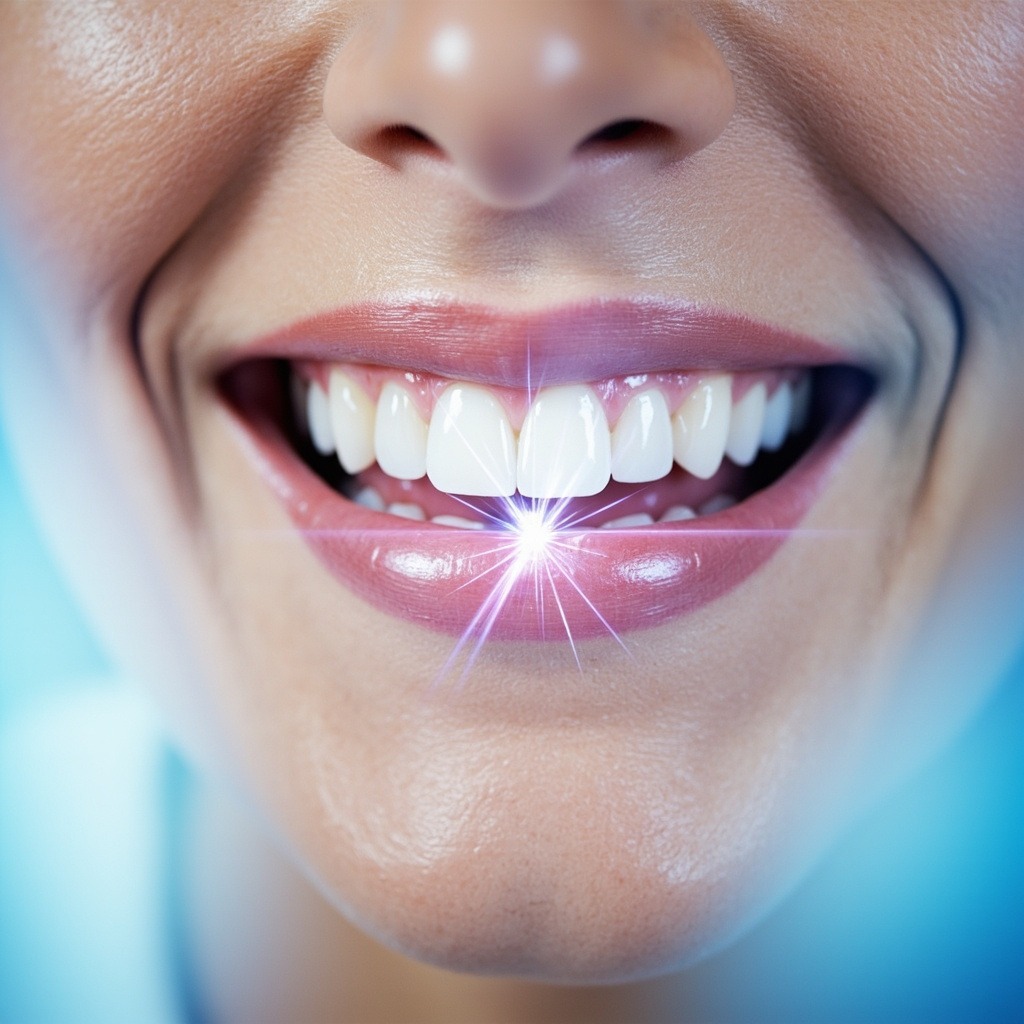
Tooth staining can creep up gradually. One day your smile looks bright, and before you know it, you notice enamel discolouration when you look in the mirror. Coffee, tea, red wine, and tobacco are common contributors. Even natural ageing can change the appearance of your teeth.
Many people search for ways to clean stained teeth at home. While there are safe steps that support stain prevention and surface stain reduction, it is important to understand the difference between extrinsic stains and intrinsic staining. Knowing what you are dealing with makes all the difference.
What Causes Teeth to Become Stained?
There are several types of tooth staining. The most common are extrinsic stains, which affect the outer enamel surface. These are often caused by:
- Coffee stains on teeth
- Tea discolouration
- Tobacco staining
- Plaque related staining
- Highly pigmented foods
Extrinsic stains tend to build up gradually. They are often linked to lifestyle habits and oral hygiene consistency.
Intrinsic staining, on the other hand, occurs beneath the enamel. It may be associated with trauma, certain medications, or developmental factors. Intrinsic stains are typically more resistant to improvement with at home care.
Age related changes can also affect tooth colour. As enamel thins over time, the underlying dentine may become more visible, giving teeth a darker appearance.
What Can You Realistically Improve at Home?
When it comes to managing stained teeth at home, expectations should be realistic. Surface stains may improve with consistent oral hygiene, but deeper intrinsic staining usually requires professional assessment.
Safe at home steps include:
- Brush twice daily using proper technique
- Use a soft toothbrush
- Maintain daily flossing
- Rinse after consuming staining foods or drinks
- Avoid abrasive cleaning methods
- Schedule routine dental examinations
Brushing technique matters. Gentle circular motions along the gumline help remove plaque related staining and reduce plaque accumulation. Aggressive scrubbing can contribute to enamel wear and gum recession.
Flossing is equally important. Interdental cleaning reduces bacterial biofilm and prevents staining between teeth where toothbrush bristles may not reach.
How Effective Are Whitening Toothpastes?
Whitening toothpaste may help reduce surface stains by polishing the enamel gently. However, they do not change the natural colour of dentine and are not designed to address intrinsic stains.
Some whitening products can be abrasive. Excessive use may contribute to enamel thinning over time. Enamel safe cleaning should always be the priority.
The table below summarises different stain types and how they respond to home care.
| Type of Stain | Common Causes | Home Care Effectiveness |
|---|---|---|
| Extrinsic | Coffee, tea, tobacco | May improve with consistent hygiene |
| Plaque related | Poor oral hygiene | Improves with brushing and flossing |
| Intrinsic | Trauma, medications | Limited improvement at home |
| Age related | Enamel thinning | Varies |
Why Is Plaque Control Central to Stain Prevention?
Plaque is a sticky bacterial biofilm that can trap pigments from food and drink. When plaque accumulation is reduced, there is less opportunity for pigments to adhere to enamel.
Good plaque control also supports gum health and reduces gum inflammation. Healthy gums frame the teeth and contribute to an overall brighter appearance.
Regular brushing and flossing disrupt bacterial biofilm and reduce the risk of dental decay, which may otherwise affect tooth colour over time.
Can Diet Influence Staining?
Diet plays a significant role. Beverages such as coffee and tea contain chromogens, which are deeply pigmented compounds that can attach to enamel. Tobacco staining is particularly persistent and may become embedded in surface irregularities.
Rinsing with water after consuming staining foods may reduce residue. Using a straw for certain beverages can also limit contact with front teeth.
Maintaining a balanced oral hygiene routine helps minimise the impact of dietary stains.
When Should You Seek Professional Advice?
If staining persists despite good oral hygiene, a professional assessment can help determine the underlying cause. Identifying whether staining is extrinsic or intrinsic guides appropriate management.
Professional cleaning may remove hardened tartar and surface stains more effectively than home care alone. In some cases, further options may be discussed, depending on individual circumstances.
Where Can You Find Trusted Support?
If you are concerned about tooth staining or enamel discolouration, personalised advice can help you understand your options.
At Dental Corner, we focus on prevention, education, and tailored oral hygiene strategies. We assess the type of staining present, evaluate enamel health, and provide guidance suited to your individual needs. Our approach prioritises enamel safe cleaning and long term oral health rather than quick fixes. By addressing plaque accumulation and gum health, we aim to support both the appearance and integrity of your smile.
If you are looking for a dentist in Wollongong or need emergency dentist in Wollongong, contact our team today.
For professional teeth whitening in Wollongong, visit Dental Corner.
References
Australian Dental Association
Tooth staining and oral hygiene information
https://www.ada.org.au/Oral-Health-Topics/Tooth-Discolouration
Healthdirect Australia
Teeth whitening and stain information
https://www.healthdirect.gov.au/teeth-whitening
Australian Institute of Health and Welfare
https://www.aihw.gov.au/reports/dental-oral-health/oral-health-and-dental-care-in-australia
FAQs
1. Can brushing remove all stains?
Brushing may reduce surface stains, but intrinsic staining beneath the enamel is less responsive to home care.
2. Are whitening toothpastes safe?
Used as directed, many are safe for surface stain removal, but excessive abrasion should be avoided.
3. Does coffee permanently stain teeth?
Coffee can contribute to extrinsic staining over time, particularly if oral hygiene is inconsistent.
4. Can flossing help reduce staining?
Yes. Flossing removes plaque and debris between teeth, which may reduce plaque related staining.
5. Is enamel discolouration always caused by diet?
No. Trauma, medications, and ageing can also influence intrinsic staining.
6. When should I seek professional assessment for stains?
If staining does not improve with consistent brushing and flossing, or if you are unsure of the cause, professional evaluation is advisable.
Disclaimer
All dental procedures involve potential risks and benefits. The information provided in this blog is general in nature and should not be taken as medical advice.


